 Intro
 Full episode
 Clips
 Titles

A full video podcast episode in the UK is a budget of five or six lines, not one price. With us the edit is £280, an intro £100 or £220, clips £35 or £65 each, a thumbnail £40 and titles with show notes £30. An episode with everything at the standard tier and three clips comes to £555, and from three episodes in a four-week cycle the whole basket gets 10% off. Each line you skip costs you something specific, and this post says what.
On this page
Ask what a video podcast costs to produce and the answer you usually get is the price of the edit. That is one line of the budget. A published episode also needs an opening that keeps people watching, clips to put it in front of strangers, a thumbnail so it gets clicked, and a title and notes so it can be found. Each of those is a separate piece of work with a separate price, and each one you leave out has a cost of its own.
This post is the whole budget, line by line, in pounds. It is not about whether to outsource (that argument is in DIY versus outsourcing), and it does not re-run the comparison of freelancer, agency and in-house rates, which lives in the editing cost guide. It is about what a complete episode costs when every line is on the sheet, and what happens on real shows when one is not.
What is in a full video podcast production budget?
Six lines. The first is the edit; the other five are the things that make an edited episode into a published one.
| Line | What it is | Our price |
|---|---|---|
| Full episode edit | The multicam cut of the whole conversation, audio cleaned and levelled, graphics and lower thirds, exported ready to upload | £280 |
| Intro | A cold open or titled opening built from the episode's best moments, standard or advanced | £100 or £220 |
| Clips | Vertical short-form cuts for Shorts, Reels and TikTok, priced each | £35 standard, £65 advanced |
| Thumbnail | The YouTube image, built from a frame of the episode and the show's branding | £40 |
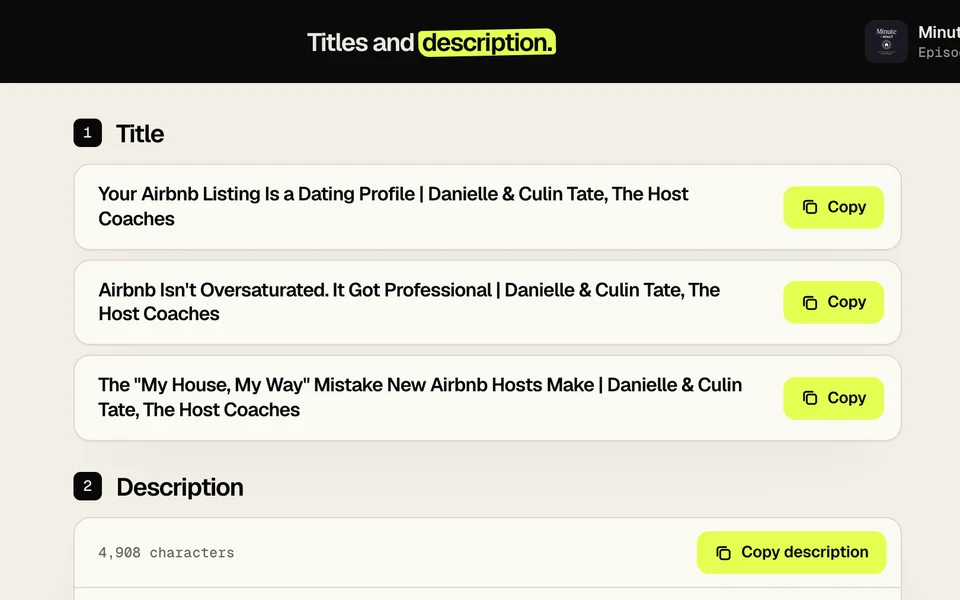
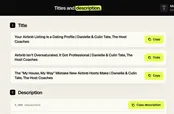
| Titles and notes | Title options, the description, chapters and show notes | £30 |
| Volume discount | 10% off the whole basket from three episodes in a four-week cycle | Deducted at the end |
Those are the figures on our configurator today. None of them carries VAT, nothing is billed as a setup fee, and there is no minimum term: you are billed per four-week cycle for what you ordered in it.
Two things to notice before the detail. The edit is the biggest single line, but on a fully produced episode at the standard tier it is about half the total, not all of it. And the other five lines are optional in the sense that an episode can be uploaded without them, which is exactly why they get skipped.
Where does the money actually go?
Each line is a different kind of work, and knowing what the hours are spent on makes it easier to decide which lines your show needs.
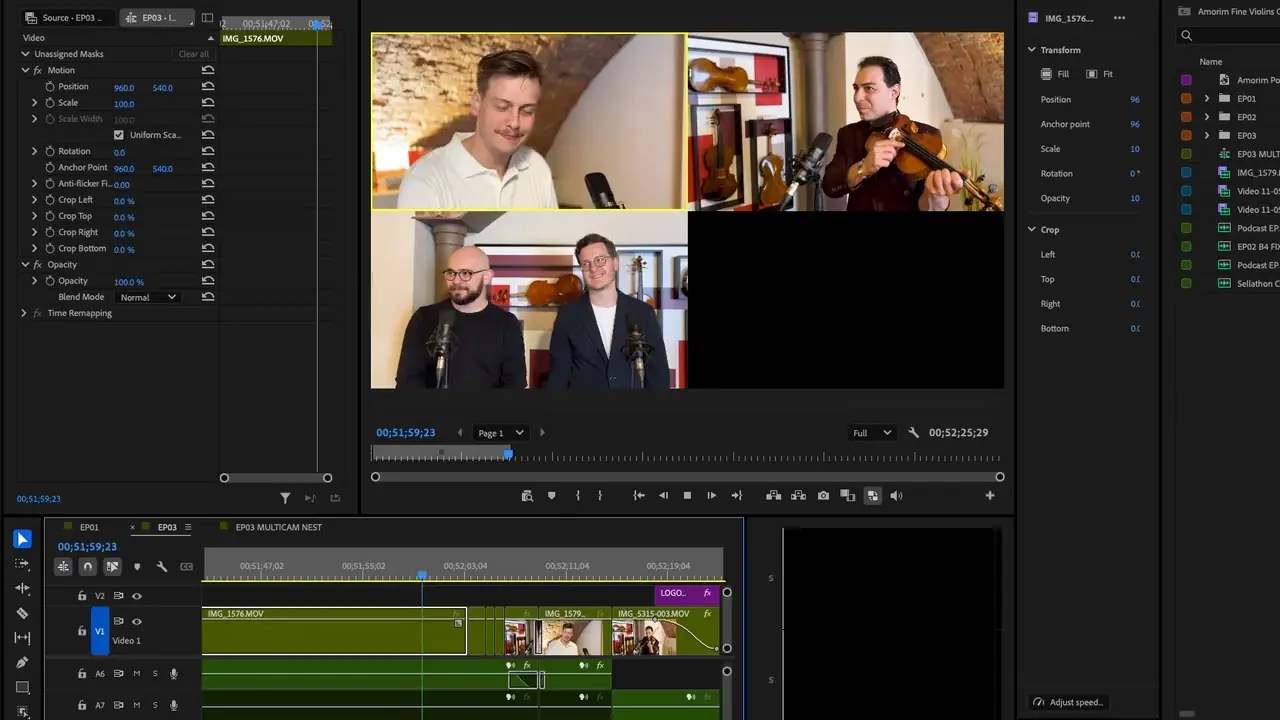
The edit, £280. This is the long job: syncing the cameras and the separate audio tracks, choosing the shot every few seconds across the full run, cutting the stumbles and the dead air, repairing and levelling the sound, placing lower thirds and the show's graphics, and exporting a master. Finished episodes on the shows we edit run from about half an hour to the high forties. On a property show, episodes land between 35 and 47 minutes, and every one opens with a cold-open teaser cut before the branded intro, which is itself a small piece of editorial work inside the edit.
The raw material is heavy, and that is where the hours start. On a proposals show, two raw camera files from one session are about 23GB each, a later session's camera master is 34GB, and the finished master of the first episode is 9.9GB. Moving that about, syncing it and scrubbing through it is part of the £280.
Revisions are part of it too. On one three-episode show, the finished folder for some episodes holds up to eight numbered versions from the revision process. We charge for the episode, not for the rounds, so that cost sits inside the edit line rather than appearing as a surprise.
The intro, £100 or £220. The standard intro is a cold open: the strongest moments of the episode cut together before the title, so the first thirty seconds earn the next thirty minutes. On a family-business show the cold open is its own 46-second export, a separate file from the episode. The advanced intro goes further, with more built around those moments, and takes a good deal longer. Which one you need depends on how your show is found: a cold open is enough for a subscribed audience, and the advanced version is for a show that lives or dies on the YouTube browse page.
Clips, £35 or £65 each. Each clip is a moment chosen by someone who watched the episode, reframed shot by shot into a vertical frame, captioned to the speech and exported. What separates the two tiers, and why length is not the thing that drives the price, is covered in the clips cost guide. For budgeting, the number that matters is how many a week you will actually post. On a trades show that ran past forty episodes, the finished folder holds three shorts per episode for most of the run, each a 30MB to 80MB file ready to upload. That is a working cadence, not an aspiration.
The thumbnail, £40. A frame pulled from the episode, the subject cut out, the show's type and colour applied, the title line set so it reads at phone size. Forty pounds is small against the rest, and it is the line that decides whether anyone clicks on the rest of the work.
Titles and notes, £30. Title options for YouTube and the audio feed, the description, chapter markers and the show notes. On a finance show we have edited to episode 79, almost every episode folder carries a title and description draft alongside the thumbnail, the camera files and the B-roll. It is written from the transcript and the cut, by the person who just watched the whole thing, which is why it is cheaper to have it done here than to do it yourself on a Sunday night.
What does skipping each line cost?
Every line can be left off, and the configurator lets you do it. This is what we have seen happen when a line is skipped, on real shows, so you can decide with your eyes open.
| Skipped line | What you save | What it costs you |
|---|---|---|
| Intro | £100 or £220 | The episode opens on hellos and settling in. Viewers who arrived from a clip or a search leave before the first good answer |
| Clips | £35 or £65 each | The episode reaches your existing audience and nobody else. Footage shot for social is the thing most often left uncut |
| Thumbnail | £40 | YouTube picks a frame for you, usually a half-blink. The episode is published and barely clicked |
| Titles and notes | £30 | The upload goes out as the filename or a hurried line. Nothing in the description for search to find, no chapters to skip to |
| The edit itself | £280 | The raw recording goes out with the pauses, the restarts and the levels as they were |
Clips are the line most often planned and never finished in the archives we hold, and one show makes it plain. On a three-episode show for a specialist workshop, the archive holds several gigabytes of behind-the-scenes footage shot on a phone for a social cutdown, and not one finished clip. The filming happened; the budget line that turns filming into something postable did not. It is the most expensive way to save £35, because the hours spent shooting returned nothing.
The intro line is skipped for a different reason: people assume the edit includes it. Sometimes it does, as a short teaser inside the cut. A built intro is a separate piece of work because it means re-watching the finished episode to choose the moments, which is why it is priced on its own.
The thumbnail and the titles are skipped because they are small and feel like admin. They are the two lines that decide whether the episode is seen at all.
Skipping the edit is rarer, but it happens on shows that record well and assume the recording is the episode. It is not. On a solo health show, the host re-took several lines on camera and the transcript caught every take back to back; choosing the clean read is the edit. The edit is also where the cold open, the clips and the thumbnail frame come from, so skipping it removes the raw material for every other line.
How much is a full episode, all in?
Three worked totals from the figures above, with the arithmetic shown so you can check it against the configurator.
One episode, everything at the standard tier, three clips. £280 edit + £100 intro + £105 for three standard clips (3 × £35) + £40 thumbnail + £30 titles and notes = £555.
One episode, everything at the advanced tier, three clips. £280 + £220 advanced intro + £195 for three advanced clips (3 × £65) + £40 + £30 = £765.
A weekly show: four episodes in a four-week cycle, each the standard package above. 4 × £555 = £2,220. From three episodes the whole basket gets 10% off, which is £222, so the cycle is £1,998, or £499.50 per episode with every line on it.
The spread between the first and the third is the point. The edit is the same £280 in all three. What moves the total is how much packaging you buy, and the discount is on the packaging as well as the edit, because it comes off the whole basket rather than the episode line alone.
You can also buy lines without an episode. Clips can be cut from a recording you have already edited yourself, up to twelve of each tier in a cycle, and intros, thumbnails and titles are available on their own too. Nor does a budget have to run in one unbroken stretch: a sustainability show had us edit its first three episodes, and later episodes 78 to 80.
What changes the budget from show to show?
Four things, and none of them is the length of the episode.
How many clips you will actually post. This is the biggest variable in the budget and the one most often set by hope rather than habit. Three a week sustained beats eight in week one and none in week four. Our configurator caps clips at twelve of each tier per episode.
Standard or advanced. The intro and the clips each have two tiers. Advanced costs more because it takes longer, not because it is a different product. A show whose growth comes from search and short-form will feel the difference; a show with a subscribed audience usually will not.
Cadence. From three episodes in a four-week cycle, 10% comes off everything. Two episodes in a cycle are full price; three or more, booked at once or across a four-week cycle, are not. That is the only discount we have, and it is not a negotiation.
What you already have. If someone on your team is good at thumbnails, leave that line off and keep the rest. The lines are separate on purpose, so a budget can be built around what your show lacks rather than around a bundle.
Two things that do not change the budget with us: VAT, because there is none on these prices, and revisions, because they continue until you are happy and are not counted. If you are comparing quotes from elsewhere, those are the two places a lower headline price most often grows, and the guide to choosing a production company has the questions that expose it.
How should you build the budget for your show?
Start with the edit and the titles, because an unedited episode with no description is not really published. Add a thumbnail, because £40 against the rest is not a saving worth making. Then decide the clips number from what you will post rather than what you would like to post, and choose standard unless short-form is how your show is found.
The intro is the one real judgement call. If your audience arrives already subscribed, a cold open inside the edit does the job. If strangers arrive from search or from a clip, the built intro is what keeps them.
Joycast is a small studio: Matt leads every edit, with a second editor alongside, and episodes usually come back in under a week. Spec your episode on the configurator, line by line, and watch the total change as you add and remove things. The prices there are the ones in this post.
If you'd rather hand the edit over, here's what a full episode edit includes and what it costs.